GARDENING GUIDE FOR BEGINNERS
Welcome to the world of gardening! Whether you're looking to grow flowers, vegetables, or herbs, this guide will help you get started. Gardening may seem intimidating at first, but with the right knowledge, you'll be well on your way to cultivating a beautiful and productive garden. Here's a comprehensive guide covering key gardening topics like USDA hardiness zones, soil types, fertilizer use, watering tips, and more.
Understanding USDA Heardiness Zones
The USDA hardiness zones map is an essential tool for gardeners, especially when selecting plants for your garden. It divides North America into zones based on the average minimum winter temperatures, ranging from Zone 1 (coldest) to Zone 13 (warmest). The lower the number, the colder the climate.
Tips:
- Choose plants suited to your zone's winter temperatures for the best chance of survival.
- If you live in a colder zone, consider growing more delicate plants as annuals or protect them indoors during the colder months.
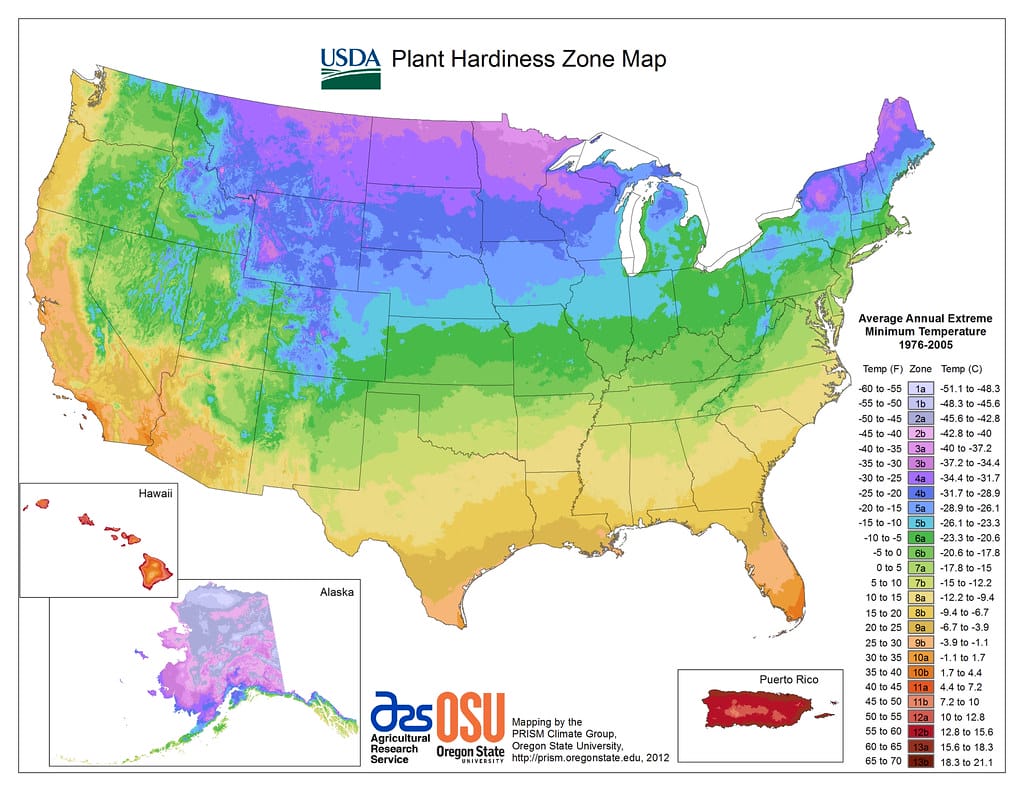 CLICK HERE for Interactive Zone Map
Soil Types and pH Levels
Healthy soil is the foundation of a successful garden. Before planting, it's important to understand your soil type and pH.
Soil Types:
- Sandy Soil: Drains quickly, but doesn't hold nutrients well. Ideal for plants like lavender, thyme, and carrots.
- Clay Soil: Retains water but can become waterlogged. This is good for moisture-loving plants but might need amending for others.
- Loam Soil: A balanced mixture of sand, silt, and clay. This is the ideal soil type for most plants, offering both drainage and nutrient retention.
Understanding pH:
- pH is a measure of soil acidity or alkalinity on a scale from 1 to 14. Most plants prefer a slightly acidic to neutral soil (pH 6.0–7.0).
- Alkaline Soil: (pH above 7.0) can be adjusted with sulfur or organic matter like compost.
- Acidic Soil : (pH below 6.0) can be made more neutral with lime.
- Test your soil with a home testing kit or send it to a local extension service.
Fertilizer Use
Fertilizers are vital to maintaining soil fertility and promoting plant growth. They provide essential nutrients like nitrogen (N), phosphorus (P), and potassium (K).
Tips:
- Read the label for the N-P-K ratio (e.g., 10-10-10 means equal parts nitrogen, phosphorus, and potassium).
- Nitrogen (N): Encourages leafy green growth. Ideal for lawns and leafy vegetables like spinach.
- Phosphorus (P): Supports root development and flowering. Use it for flowering plants and root vegetables like carrots.
- Potassium (K): Boosts overall plant health and disease resistance. Great for fruiting plants like tomatoes and peppers.
- Organic fertilizers, like compost and manure, release nutrients slowly and improve soil health over time.
- Avoid over-fertilizing, which can damage plants.
Watering
Watering is crucial, but different plants have different needs. Overwatering and underwatering are common mistakes, so finding the right balance is key.
Tips:
- Morning is the best time to water to avoid evaporation and reduce the risk of diseases that thrive in damp conditions.
- Water deeply but less frequently to encourage deep root growth. A good rule of thumb is to water when the top inch of soil feels dry.
- Young plants and seedlings need more frequent watering.
- Established plants with deep root systems need less frequent watering, about once or twice a week depending on your climate.
- Mulch helps retain soil moisture and prevent weeds.
- Use soaker hoses or drip irrigation for more efficient watering, especially in large gardens.
Pot Size and Plant Spacing
Whether you're growing plants in pots or directly in the ground, proper spacing is important for healthy plant growth.
Pot Size:
- Choose a pot large enough to accommodate your plant's root system. Small pots dry out faster and restrict root growth.
- Make sure pots have drainage holes to prevent water from pooling, which can lead to root rot.
In-Ground Spacing:
- Plants need space for their roots to spread and for air to circulate around the foliage. Crowding plants can lead to competition for nutrients and increased risk of disease.
- Follow plant spacing recommendations on seed packets or plant labels.
Getting Started Tips
- Start Small: It's tempting to plant a large garden, but it's better to start with a manageable size, especially in your first year.
- Choose Easy-to-Grow Plants: Opt for hardy plants like tomatoes, marigolds, or lettuce that are less prone to diseases and pests.
- Consider Companion Planting: Certain plants grow better together, helping to repel pests or improve growth. For example, plant marigolds near tomatoes to deter aphids.
- Rotate Your Crops: If you're growing vegetables, change where you plant them each year to prevent soil depletion and reduce the risk of pests.
- Be Patient: Gardening is a learning process, and plants don't grow overnight. Be observant, and don't be afraid to adjust your techniques as you gain more experience.